
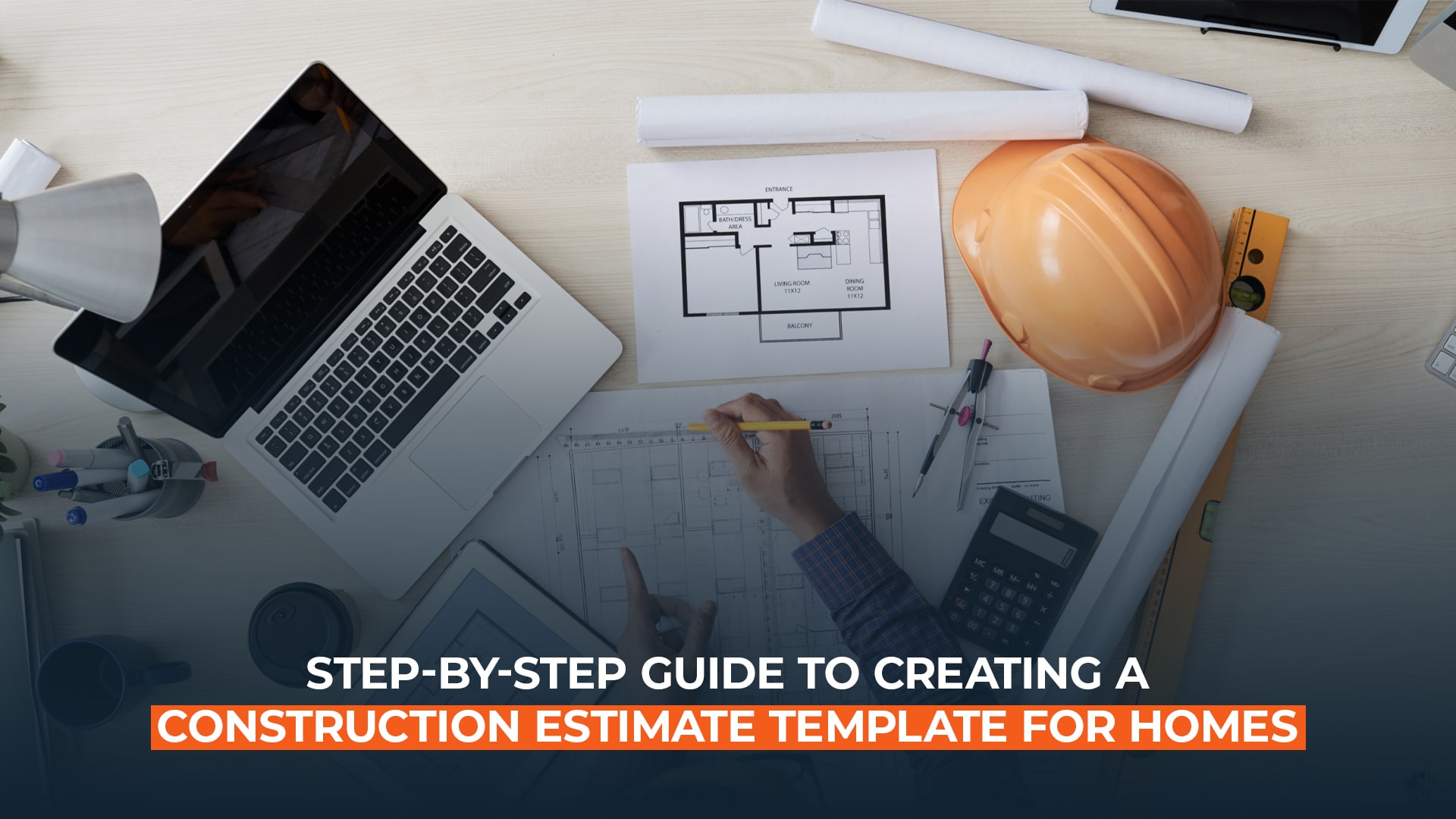
Construction estimate templates serve as foundational tools for maintaining consistency and accuracy across residential projects. These structured documents enable contractors to calculate costs systematically while ensuring no critical components get overlooked during the bidding process.
Developing a comprehensive template requires understanding project workflows, cost categories, and pricing methodologies. Consequently, contractors who invest time creating robust templates reduce estimate preparation time significantly. Moreover, standardized formats minimize calculation errors and improve client communication through professional presentation.
Understanding Construction Estimate Format Fundamentals
The construction estimate format establishes how information flows throughout the document. Effective templates organize data hierarchically, beginning with project overview sections and progressing through detailed cost breakdowns.
Professional estimates typically include client information, project scope description, and timeline expectations. Subsequently, itemized cost sections detail materials, labor, equipment, and subcontractor expenses. Footer sections contain terms, conditions, and payment schedules that protect contractor interests.
Essential Components Every Template Needs
Every construction estimate template must incorporate specific elements for completeness. Header sections identify the contractor, include contact information, and display business branding. Project identification fields capture addresses, permit numbers, and relevant reference codes.
Cost breakdown structures represent the template’s core functionality. Organized categories allow systematic cost entry while maintaining clarity. Additionally, calculation fields automatically compute subtotals, taxes, and final project totals. Professional templates include contingency allowances addressing unforeseen circumstances or material price fluctuations.
| Template Section | Key Information | Purpose |
| Company Header | Logo, contact details, license numbers | Professional identification |
| Client Information | Name, address, project location | Project tracking |
| Scope of Work | Detailed description of deliverables | Expectation management |
| Cost Breakdown | Materials, labor, equipment by category | Transparent pricing |
| Terms & Conditions | Payment schedule, warranty details | Legal protection |
Building Your Template Structure in Excel
Construction estimate template excel versions offer flexibility and widespread compatibility. Spreadsheet programs provide built-in calculation functions that automate mathematical operations and reduce manual effort.
Starting with blank worksheets allows complete customization matching specific business needs. Create column headers for item descriptions, quantities, units, unit prices, and extended totals. Subsequently, establish separate sections for different construction phases or trade categories.
Formula implementation transforms static templates into dynamic calculation tools. Use multiplication formulas linking quantity and unit price columns to generate line item totals. Furthermore, SUM functions aggregate category subtotals into comprehensive project costs. Conditional formatting highlights unusual values or calculation errors requiring review.
Setting Up Automated Calculations
Automated calculations eliminate repetitive manual computations while improving accuracy. Link tax rate cells to material cost subtotals for automatic sales tax calculation. Similarly, create markup percentage cells that apply consistent profit margins across labor categories.
Professional residential construction estimating incorporates these automated features to streamline bidding processes and maintain pricing consistency.
Template formulas should include contingency percentages addressing project uncertainties. Typically, residential projects allocate 5-10% contingencies depending on scope complexity. Formulas multiplying subtotals by contingency percentages automatically calculate reserve amounts without manual intervention.
Creating Category-Specific Estimate Sections
Different construction phases require distinct estimate sections with specialized line items. Organizing templates by trade or project phase improves estimate accuracy and readability.
Site Preparation Section Sitework estimating services encompass excavation, grading, and utility connections. This section includes equipment rental costs, hauling expenses, and erosion control measures. Additionally, templates should accommodate survey fees and temporary access road construction.
Foundation and Structural Work Concrete estimating services require detailed material calculations including cement, aggregate, reinforcement, and forming materials. Labor entries should differentiate between formwork installation, concrete placement, and finishing operations. Furthermore, curing compounds and waterproofing membranes need separate line items.
Framing and Rough Carpentry Lumber takeoff services demand precise quantity calculations for dimensional lumber, engineered products, and fasteners. Templates must include entries for floor systems, wall framing, roof trusses, and sheathing materials. Moreover, hardware costs and specialty connectors require individual tracking.
| Construction Phase | Primary Materials | Labor Considerations |
| Foundation | Concrete, rebar, formwork | Placement crew size, curing time |
| Framing | Lumber, engineered beams, fasteners | Carpenter rates, crane rental |
| Exterior Finishes | Siding, trim, sealants | Weather delays, scaffolding |
| Interior Finishes | Drywall, flooring, cabinets | Skilled vs. general labor rates |
Incorporating Trade-Specific Templates
Specialized trades benefit from customized estimate sections addressing unique requirements. Trade-specific templates ensure comprehensive coverage of discipline-specific costs and considerations.
Masonry estimating services need sections calculating brick, block, or stone quantities alongside mortar and reinforcement requirements. Templates should include scaffolding costs and specialized equipment like mortar mixers or masonry saws.
Roofing estimating services require slope factor adjustments and waste calculations. Include line items for underlayment, shingles, flashing, ventilation components, and ridge materials. Additionally, safety equipment and disposal costs warrant separate entries.
Mechanical and Electrical Systems
Electrical estimating services demand detailed device counts, circuit calculations, and panel specifications. Templates should accommodate wire quantities by gauge, conduit requirements, and fixture allowances. Furthermore, permit fees and inspection costs need dedicated line items.
Plumbing estimating services require fixture schedules, pipe quantity calculations, and fitting inventories. Include sections for water supply systems, drainage networks, and gas piping where applicable. Templates must also account for inspection fees and pressure testing materials.
Mechanical estimating services incorporate equipment sizing calculations, ductwork quantities, and refrigerant line measurements. HVAC templates need entries for thermostats, registers, and insulation materials alongside labor for installation and startup procedures.
Developing Labor Cost Sections
Labor represents a significant portion of residential construction costs. Templates must accurately capture various labor categories with appropriate rate structures.
Distinguish between skilled trades and general labor positions within template sections. Electricians, plumbers, and finish carpenters command higher hourly rates than general laborers or helpers. Consequently, accurate labor categorization prevents underestimating project costs.
Include burden costs beyond base hourly wages. Payroll taxes, workers’ compensation insurance, and benefits typically add 25-35% to direct labor costs. Professional templates incorporate burden multipliers ensuring complete labor cost capture. Labor estimating services provide verification for complex projects requiring precise workforce calculations.
Productivity Factors and Time Estimates
Realistic productivity assumptions prevent budget overruns during construction. Template sections should include columns for estimated hours based on standard industry production rates.
Production databases provide benchmark values for common construction activities. Installing drywall, laying flooring, or painting rooms require specific time allocations per unit. Templates incorporating these standards improve estimate reliability and consistency across projects.
Adding Material Pricing and Database Integration
Material cost accuracy depends on current pricing information. Templates should facilitate easy price updates as supplier costs fluctuate throughout bidding periods.
Create reference sheets within workbooks listing frequently used materials with current unit prices. Link estimate line items to these reference databases using lookup formulas. Subsequently, updating reference prices automatically adjusts all related estimate calculations.
Many contractors maintain supplier relationships providing preferential pricing. Templates should accommodate discount structures and volume pricing tiers. Additionally, freight costs and delivery charges require separate consideration depending on project locations and order sizes.
Formatting Professional Estimate Presentations
Visual presentation affects client perception and estimate credibility. Well-formatted templates demonstrate professionalism and attention to detail that influences selection decisions.
Use consistent fonts, sizes, and alignment throughout documents. Bold or colored text highlights section headers and subtotals for improved readability. However, avoid excessive formatting that creates cluttered, difficult-to-read estimates.
Incorporate company branding elements including logos, color schemes, and letterhead designs. Professional appearance differentiates contractors in competitive bidding situations. Moreover, branded documents enhance brand recognition and market positioning.
Digital vs. Printed Estimate Considerations
Modern estimates serve dual purposes requiring both digital sharing and occasional printing. Design templates functioning effectively in both formats through appropriate page sizing and margin settings.
PDF conversion maintains formatting consistency across different devices and operating systems. Templates should generate clean PDF versions suitable for email distribution or client portal uploads. Furthermore, digital signatures and date stamps streamline approval processes.
Implementing Quality Control Measures
Template quality control prevents embarrassing errors and ensures professional accuracy. Built-in verification systems catch common mistakes before estimate submission.
Create summary sheets comparing detailed breakdowns against conceptual totals. Significant discrepancies indicate calculation errors or missing items requiring investigation. Additionally, peer review processes where colleagues examine estimates before submission reduce error rates substantially.
Audit bid services provide independent verification for high-value projects where accuracy proves critical for competitiveness and profitability.
Common Mistakes to Avoid
Several frequent errors undermine estimate accuracy. Failing to include sales tax on materials represents a common oversight costing contractors thousands. Templates should automatically calculate applicable taxes based on jurisdiction requirements.
Neglecting to account for waste factors leads to material shortages during construction. Different materials require varying waste allowances—lumber typically needs 10-15% while concrete requires 3-5% excess. Professional templates incorporate appropriate waste factors within quantity calculations.
Customizing Templates for Project Types
Different residential projects demand template variations. New construction requires comprehensive sections covering all building systems. Conversely, home remodeling projects need sections addressing demolition, protection of existing work, and matching existing finishes.
Demolition estimating services require specialized sections for removal costs, disposal fees, and hazardous material handling. Renovation templates should include temporary protection allowances and dust control measures affecting labor productivity.
Create template libraries containing baseline versions for common project types. Starting with appropriate templates reduces setup time while ensuring relevant cost categories receive consideration. Furthermore, consistent templates improve historical data collection for future estimating refinement.
Leveraging Technology for Template Enhancement
Modern estimating technology extends beyond spreadsheets. Cloud-based platforms enable team collaboration and real-time estimate updates from multiple locations.
Building cost estimator commercial platforms offer advanced features including historical cost databases and parametric estimating capabilities. While primarily designed for larger projects, these tools provide template inspiration and calculation methodologies applicable to residential work.
Integration with quantity takeoff services streamlines quantity entry by importing measurements directly from digital plans. This technology eliminates manual takeoff transcription and associated error potential.
Regional Template Adjustments
Geographic location significantly impacts estimate requirements. Templates should accommodate regional variations in material availability, labor rates, and regulatory requirements.
Contractors operating in Pennsylvania face different permitting processes than those working in Georgia or Arizona. Template customization ensures appropriate line items address jurisdiction-specific costs.
Climate considerations affect material specifications and installation techniques. Construction estimating services in Florida require hurricane-resistant materials while Ohio construction takeoff services emphasize insulation and heating systems. Templates should reflect these regional priorities through appropriate section emphasis.
Maintaining and Updating Templates
Templates require periodic review and refinement. Analyze completed projects identifying estimate discrepancies and template deficiencies requiring correction.
Document template modifications maintaining version control. Numbered versions with revision dates prevent confusion when multiple estimators utilize templates simultaneously. Additionally, change logs explaining modifications help teams understand template evolution.
Market conditions necessitate regular pricing updates. Schedule quarterly reviews updating material costs, labor rates, and subcontractor pricing. Consequently, estimates remain competitive and realistic throughout changing economic conditions.
Conclusion
Creating effective construction estimate templates requires systematic organization, comprehensive cost categories, and automated calculations. Well-designed templates improve estimating efficiency while maintaining accuracy across diverse residential projects.
Successful templates balance detail with usability, providing sufficient granularity without overwhelming users. Regular refinement based on project outcomes continuously improves template effectiveness. Whether developing simple spreadsheet versions or sophisticated integrated systems, investing effort in template development yields substantial long-term returns through improved bidding success and project profitability.
Frequently Asked Questions
Q1: What information must every construction estimate template include?
Every template requires company identification, client details, project scope description, itemized cost breakdowns, and terms and conditions. Cost sections should separate materials, labor, equipment, and subcontractor expenses with clear unit prices and quantities. Additionally, templates need payment schedule information, project timelines, and validity periods. Subtotals, taxes, contingencies, and final totals must calculate automatically to prevent mathematical errors.
Q2: How detailed should line items be in estimate templates?
Line item detail depends on project complexity and client expectations. Residential projects typically require moderate detail showing major material categories and labor divisions without excessive granularity. Breaking costs into 50-100 line items provides transparency while remaining manageable. However, high-end custom homes may warrant 200+ line items demonstrating comprehensive planning. Balance detail against preparation time and client comprehension needs.
Q3: Can sample estimate of building construction serve as starting points?
Sample estimates provide valuable structural guidance and category organization ideas. However, direct copying creates problems since every contractor maintains different cost structures, markup strategies, and business models. Use samples as templates for section organization and calculation approaches while customizing all pricing, formulas, and specifications to match specific business operations. Additionally, ensure samples reflect current industry standards and pricing levels.
Q4: How often should estimate templates be updated?
Templates require quarterly pricing reviews at minimum to maintain accuracy amid changing material costs and labor rates. Major template restructuring should occur annually based on lessons learned from completed projects. Immediate updates become necessary when significant market disruptions affect pricing or when regulatory changes impact permitting costs. Furthermore, template versions should increment with each significant modification to maintain proper version control.
Q5: What advantages do Excel templates offer over paper forms?
Excel templates automate calculations eliminating manual arithmetic and reducing error potential dramatically. Formulas link quantities, unit prices, and totals ensuring mathematical consistency throughout estimates. Additionally, digital templates enable easy modification when project scopes change during bidding periods. Templates stored electronically facilitate quick duplication for similar projects and simple price updates across multiple estimates. However, professional estimating software offers additional advantages beyond basic spreadsheet capabilities for contractors handling substantial project volumes.
Leave a Comment