
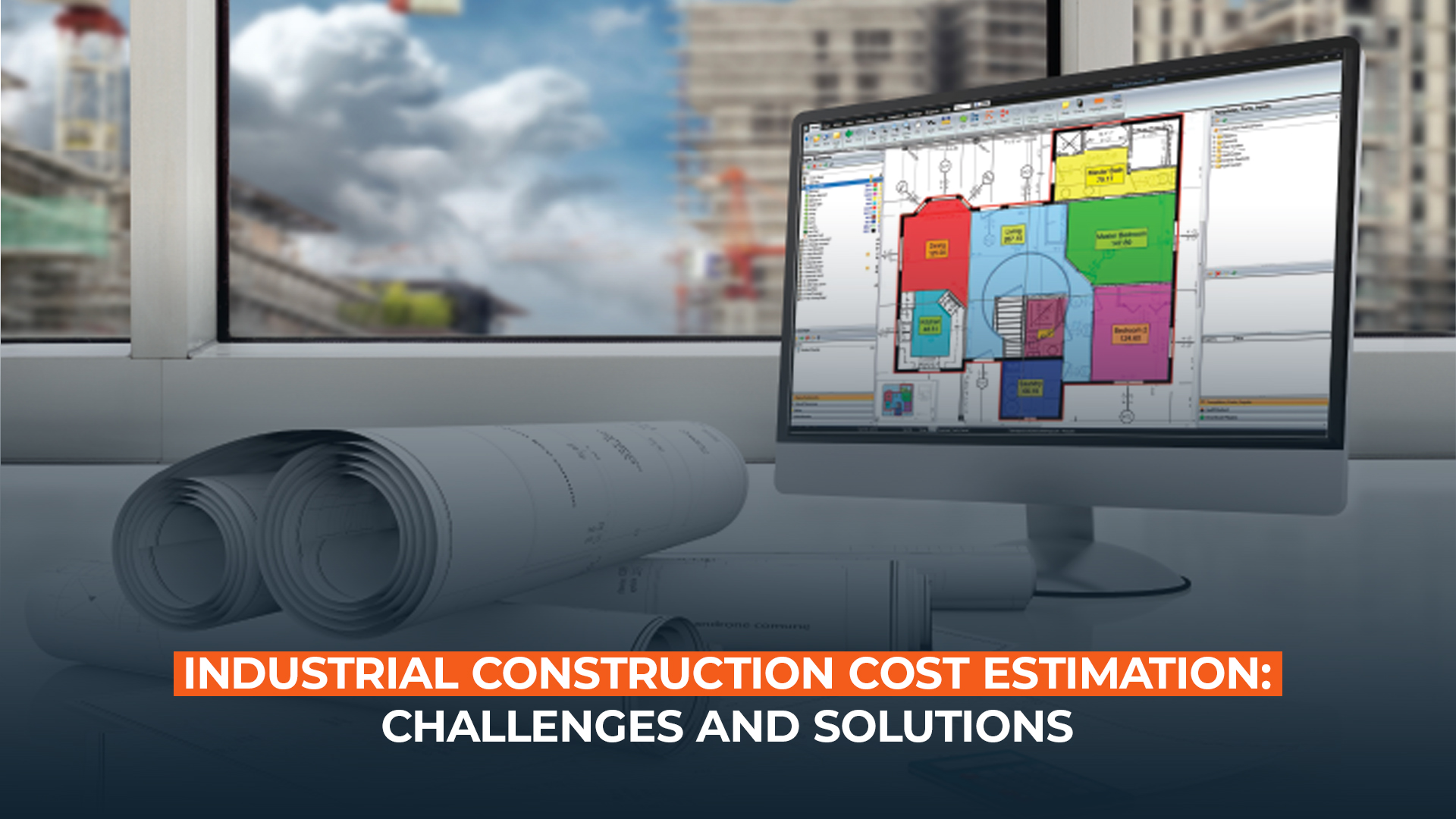
Heavy civil estimating software addresses the unique requirements of industrial and infrastructure construction projects through specialized features and comprehensive databases. These platforms manage complex calculations, extensive quantities, and sophisticated analysis that manual methods cannot efficiently handle.
Industrial contractors face distinct estimating challenges including heavy earthwork, specialized equipment, phased construction, and extended schedules. Software solutions streamline these processes through automation, integrated databases, and advanced reporting capabilities. Consequently, technology adoption significantly impacts bid competitiveness, estimate accuracy, and operational efficiency.
Selecting appropriate platforms requires understanding available options, feature comparisons, and implementation considerations. This guide examines leading software solutions helping contractors make informed technology investments supporting business objectives and project requirements.
Understanding Heavy Civil Estimating Requirements
Industrial and heavy civil projects demand specialized estimating approaches addressing unique scope elements. Earthwork calculations require three-dimensional surface modeling and mass haul analysis. Underground utilities involve detailed depth considerations and interference coordination. Moreover, equipment-intensive operations require realistic productivity assumptions and comprehensive cost tracking.
Project-Specific Requirements
Civil estimating software must handle large-scale site development, infrastructure systems, and specialized construction methods. Projects include highways, bridges, dams, pipelines, and industrial facilities requiring capabilities beyond standard building estimating platforms.
Key Differentiating Features
Heavy civil software incorporates terrain modeling enabling cut-fill calculations from digital surfaces. Quantity takeoffs measure linear utilities, area calculations for pavements, and volumetric earthwork simultaneously. Additionally, equipment cost modules calculate ownership expenses, operating costs, and productivity rates comprehensively.
Production-based estimating reflects construction reality where crews complete defined quantities per shift rather than fixed time allocations. Software supporting production analysis enables realistic schedule development and cost forecasting. Furthermore, haul distance optimization minimizes earthwork transportation costs significantly impacting project economics.
| Project Type | Primary Estimating Needs | Essential Software Features |
| Site Development | Earthwork, utilities, paving | Terrain modeling, mass haul analysis |
| Pipeline | Linear takeoffs, depth calculation | Route optimization, crossing analysis |
| Bridge Construction | Structural quantities, falsework | Parametric modeling, phasing tools |
| Industrial Facilities | Heavy foundations, equipment | Load analysis, coordination features |
| Highway Projects | Large-scale earthwork, drainage | GPS integration, production tracking |
Leading Heavy Civil Estimating Software Platforms
Several established platforms serve the heavy civil market with varying approaches and capabilities. Understanding each solution’s strengths guides appropriate selection matching organizational needs.
HCSS HeavyBid
HeavyBid dominates the heavy civil market providing comprehensive functionality specifically designed for infrastructure contractors. The platform excels at production-based estimating with detailed crew modeling, equipment cost analysis, and resource optimization.
Database management proves exceptional allowing contractors to maintain extensive historical cost information. Activity codes, crew compositions, and equipment strings create reusable assemblies accelerating estimate development. Additionally, integrated bidding features manage subcontractor solicitation, quote comparison, and final buyout systematically.
The software particularly suits sitework estimating services through sophisticated earthwork capabilities and utility coordination features. Moreover, equipment cost tracking aligns perfectly with equipment-intensive industrial construction methodologies.
B2W Estimate
B2W Estimate provides cloud-based heavy civil estimating with intuitive interfaces and comprehensive database capabilities. The platform supports production estimating while offering flexible configuration accommodating diverse contractor workflows.
Integration with B2W operational software creates connected environments spanning estimating through project execution. Actual cost data flows back improving database accuracy through systematic feedback. Furthermore, mobile access enables field estimating and immediate stakeholder collaboration.
The solution works effectively for contractors handling mixed portfolios including industrial construction estimating and commercial site development requiring versatile platforms.
InEight Estimate
InEight Estimate (formerly Hard Dollar) serves large contractors and industrial clients with enterprise-grade functionality. The platform handles extremely complex estimates involving thousands of line items and sophisticated resource modeling.
Advanced features include comprehensive risk analysis, Monte Carlo simulation, and probabilistic forecasting. These capabilities support major capital projects where uncertainty quantification proves essential. Additionally, multi-currency support and international cost databases serve global contractors.
Integration with InEight project controls and scheduling platforms creates comprehensive project management ecosystems. This connectivity particularly benefits construction cost estimating services managing large industrial facilities and infrastructure programs.
General Construction Estimating Software with Civil Capabilities
While specialized heavy civil platforms offer dedicated functionality, several general construction estimating software solutions include civil features supporting industrial contractors with diverse project portfolios.
ProEst
ProEst provides cloud-based estimating with growing civil capabilities complementing its commercial construction strengths. The platform offers digital takeoff, comprehensive databases, and flexible reporting suitable for moderate civil scope.
Integration with project management and accounting systems creates connected workflows. Cost tracking, change order management, and budget monitoring extend estimating into construction phases. However, earthwork capabilities and production modeling prove less sophisticated than dedicated heavy civil platforms.
Contractors balancing commercial construction estimating with site development projects appreciate ProEst’s versatility. The single platform eliminates maintaining separate systems for different project types.
Sage Estimating
Sage Estimating combines traditional desktop power with civil assemblies and databases. The platform handles moderate earthwork, utilities, and paving through predefined assemblies and custom development.
Long market presence means extensive historical data availability and established user communities. Integration with Sage accounting platforms streamlines financial workflows particularly valuable for established contractors with existing Sage investments.
However, civil-specific features lag dedicated heavy civil software. Projects with substantial earthwork or complex production analysis benefit from specialized platforms rather than adapted general estimating tools.
PlanSwift for Civil Takeoffs
PlanSwift focuses primarily on digital takeoff with calculation capabilities supporting various construction types. Civil contractors utilize PlanSwift for linear measurements, area calculations, and basic volume computations.
The platform’s strength lies in visual measurement tools and flexible customization. Custom assemblies, calculation formulas, and output formats adapt to specific contractor needs. Additionally, integration with other estimating platforms enables specialized takeoff workflows.
While inadequate as standalone civil estimating solutions, PlanSwift complements comprehensive platforms through enhanced measurement capabilities. Contractors performing quantity takeoff services appreciate the visual interface and rapid measurement functionality.
Terrain Modeling and Earthwork Analysis
Accurate earthwork calculations represent critical requirements for heavy civil estimating software. Three-dimensional surface modeling enables precise cut-fill analysis preventing costly quantity errors.
Digital Terrain Model Integration
Leading platforms import survey data, contour information, and existing surface models creating digital terrain representations. Proposed grade surfaces model final conditions enabling automated cut-fill calculations.
Grid method analysis divides sites into calculation cells determining volumes at each location. Triangulated irregular networks (TINs) provide more accurate representations for complex topography. Software should support multiple modeling approaches accommodating various project conditions and data sources.
Professional concrete estimating services benefit from accurate subgrade calculations supporting foundation and flatwork quantity determination. Similarly, demolition estimating services require existing surface modeling for removal quantity calculations.
Mass Haul Optimization
Earthwork transportation significantly impacts project costs particularly on large sites. Mass haul diagrams visualize material movement identifying optimal equipment utilization and haul routes.
Software calculates haul distances, equipment productivity, and cycle times determining most economical approaches. Balancing cut and fill quantities minimizes import and export reducing overall earthwork costs substantially. Additionally, phasing analysis coordinates earthwork with other construction activities optimizing schedules.
Stripping and Grading Quantities
Topsoil stripping, rough grading, and fine grading each require separate quantity calculations and cost analysis. Software should differentiate these operations applying appropriate productivity rates and equipment costs.
Stripping depths vary across sites requiring careful modeling and calculation. Stockpile volumes for temporary storage and later replacement need accurate determination. Furthermore, soil classification affects handling methods and costs requiring detailed material analysis.
Equipment Cost Analysis Features
Equipment represents substantial cost components in heavy civil work requiring sophisticated analysis. Best estimating software includes comprehensive equipment modules calculating ownership and operating expenses accurately.
Ownership Cost Calculation
Equipment ownership involves depreciation, interest, insurance, taxes, and storage costs. Software should calculate these expenses based on equipment value, useful life, and utilization rates providing accurate hourly ownership costs.
Fleet management features track equipment inventories, current utilization, and availability for upcoming projects. This visibility prevents overcommitting resources or underestimating rental requirements. Additionally, rent-versus-own analysis guides equipment acquisition decisions optimizing fleet composition.
Industrial contractors performing labor estimating benefit from integrated equipment calculations showing complete resource costs comprehensively.
Operating Expense Modeling
Operating costs include fuel, lubricants, repairs, maintenance, and operator wages. Software databases contain standard operating costs by equipment type with adjustment factors for age, condition, and utilization intensity.
Fuel consumption rates vary significantly across equipment types and operating conditions. Accurate modeling considers loaded and unloaded cycles, idle time, and efficiency factors. Moreover, maintenance schedules and parts replacement intervals affect long-term operating expenses.
Tire costs for haul trucks and loaders represent significant expenses requiring separate tracking. Software should accommodate tire replacement scheduling and cost allocation across project durations.
Production Rate Analysis
Equipment productivity depends on material characteristics, haul distances, cycle times, and operational factors. Estimating software for construction should incorporate production databases with adjustment factors for specific conditions.
Bucket capacities, truck volumes, and load factors affect actual production rates. Well-designed software enables detailed cycle time analysis considering loading, hauling, dumping, and return components. Additionally, efficiency factors account for delays, operator breaks, and weather interruptions.
Production analysis directly affects labor and equipment hour calculations determining total costs. Unrealistic productivity assumptions create budget overruns during construction making accurate modeling essential.
| Equipment Type | Key Cost Factors | Productivity Variables |
| Excavators | Size, age, utilization | Material type, reach, bucket capacity |
| Haul Trucks | Payload, fuel, maintenance | Haul distance, grade, road conditions |
| Dozers | Horsepower, blade type | Material, push distance, grade |
| Graders | Size, blade width | Material, pass requirements, speed |
| Compactors | Type, weight | Material, lift thickness, moisture |
Database Development and Maintenance
Comprehensive cost databases distinguish professional estimating platforms from basic calculation tools. Well-maintained databases accelerate estimate preparation while improving accuracy through proven historical data.
Historical Cost Tracking
Systematic actual cost collection during construction provides invaluable database refinement. Comparing estimated versus actual quantities, productivity, and costs identifies systematic biases requiring correction.
Software should facilitate easy data capture from project accounting systems. Automated imports reduce manual effort while ensuring complete information transfer. Additionally, post-project analysis features highlight variances and improvement opportunities.
Estimating consulting professionals assist establishing data collection protocols and analysis methodologies maximizing database value over time.
Regional Cost Adjustments
Construction costs vary substantially across geographic markets due to labor rates, material availability, and competitive conditions. Database systems should support location factors adjusting base costs for specific project locations.
Contractors operating in construction estimating services NYC maintain different cost structures than those in construction estimating services Texas. Software accommodating multiple regional databases or systematic adjustment factors ensures accuracy across diverse markets.
Projects in construction takeoff services California, construction estimating services Florida, Pennsylvania, Illinois, Georgia, Ohio, Arizona, and North Carolina each present unique conditions requiring localized databases.
Assembly and Template Management
Pre-built assemblies combining materials, labor, and equipment streamline estimate development for repetitive items. Well-designed assembly libraries capture organizational knowledge and proven methodologies.
Software should enable easy assembly creation, modification, and sharing across estimating teams. Version control prevents confusion when multiple estimators utilize common assemblies. Furthermore, assembly documentation explaining included scope and assumptions prevents misapplication.
Template estimates for common project types accelerate initial development. Starting with appropriate templates ensures complete scope coverage while maintaining consistency across similar projects.
Integration with Project Management Systems
Modern construction requires connected workflows spanning preconstruction through project closeout. Heavy civil estimating software should integrate seamlessly with scheduling, accounting, and project controls platforms.
Scheduling Connectivity
Estimate quantities and productivity assumptions flow directly into preliminary schedules. Activity durations calculate automatically from estimated production rates and resource allocations. This connectivity ensures schedule realism while maintaining estimate consistency.
CPM scheduling services utilize integrated data creating comprehensive project plans. Schedule changes feed back into cost analysis revealing time-cost relationships. Additionally, what-if scenario analysis evaluates acceleration options and cost impacts.
Primavera scheduling services integrate with enterprise estimating platforms through standardized data exchange formats. This interoperability proves essential for large contractors managing multiple simultaneous projects.
Cost Control Integration
Estimate budgets transfer into cost tracking systems establishing baselines for project monitoring. Actual costs posted during construction compare against estimates revealing variances requiring management attention.
Change order management connects estimate modifications with budget adjustments and contract documentation. Integrated systems maintain complete audit trails from original estimates through final costs. Moreover, lessons learned documentation feeds database improvements continuously.
BIM and Model-Based Workflows
BIM estimating services extract quantities from three-dimensional models for heavy civil applications including bridges, complex industrial facilities, and infrastructure systems.
Model-based quantity extraction eliminates manual measurement errors while accelerating takeoff processes. Automated updates when designs change prevent estimate obsolescence. However, heavy civil applications lag building construction in BIM adoption due to terrain modeling complexity and limited software maturity.
Civil 3D and InfraWorks models increasingly support quantity extraction for earthwork and utilities. Software supporting IFC formats and API connections enables BIM workflows for appropriate project types.
Mobile and Field Estimating Capabilities
Cloud-based platforms enable field access supporting site visits, conceptual estimating, and immediate stakeholder collaboration. Mobile functionality proves increasingly important for responsive contractors.
On-Site Quantity Verification
Estimators visiting sites validate assumptions, understand conditions, and capture supplemental information. Mobile access to estimate data enables immediate reference and notation during site reviews.
Photo documentation with location tagging and estimate linking maintains comprehensive records. These visual references support assumption verification and scope clarification throughout bidding and construction. Additionally, voice notes and sketches captured on-site enhance estimate documentation quality.
Conceptual Estimating Tools
Preliminary budgets developed during client meetings or design reviews require immediate calculation capabilities. Mobile platforms enable quick parametric estimates using simplified inputs and historical cost data.
Square footage costs, equipment counts, and linear quantities support rapid budget development. Cloud synchronization ensures these preliminary estimates transfer seamlessly into detailed development when projects advance. Furthermore, client interaction during estimate development improves understanding and sets realistic expectations.
Collaborative Features
Multiple stakeholders including owners, engineers, and specialty contractors participate in industrial project estimating. Software supporting collaborative workflows improves coordination and reduces communication friction.
Comment threads, markup tools, and shared views enable distributed teams to contribute expertise efficiently. Permission controls protect proprietary information while enabling appropriate transparency. Additionally, version comparison features highlight changes as estimates evolve through design development.
Specialized Features for Industrial Applications
Industrial projects present unique requirements beyond typical heavy civil scope. Software addressing these needs provides substantial value for contractors focused on manufacturing, processing, and distribution facilities.
Structural and Foundation Analysis
Heavy foundations supporting equipment and storage systems require detailed design and quantity analysis. Software should accommodate complex reinforcement schedules, formwork requirements, and specialized concrete specifications.
Masonry estimating services and metalwork estimating services benefit from integrated structural takeoff features. Connection details, welding requirements, and fabrication specifications need comprehensive tracking.
Process Systems Integration
Industrial facilities incorporate extensive piping, ductwork, and electrical distribution requiring specialized estimation. While trade-specific software handles detailed design, general estimating platforms should accommodate conceptual quantities and allowances.
Plumbing estimating services, mechanical estimating services, and electrical estimating services utilize specialized platforms. However, general contractors require conceptual capabilities within primary estimating systems.
Multi-Phase Construction Modeling
Industrial projects frequently involve phased construction accommodating ongoing operations. Software should support phase-specific quantities, schedules, and costs enabling accurate modeling of sequential work.
Temporary facilities, protection measures, and operational coordination add costs beyond typical construction. Phase analysis reveals these impacts ensuring comprehensive cost coverage. Additionally, schedule compression analysis evaluates acceleration options and associated premiums.
Training and Implementation Considerations
Software effectiveness depends heavily on proper implementation and comprehensive user training. Systematic adoption strategies maximize technology investments while minimizing disruption.
Implementation Planning
Phased rollout beginning with pilot projects builds organizational confidence and identifies system limitations before full deployment. Initial small projects enable learning without jeopardizing major bids.
Data migration from existing systems proves challenging but essential. Historical cost information, assembly libraries, and templates require conversion into new formats. Professional services from software vendors or implementation consultants accelerate transitions while ensuring data integrity.
User Training Programs
Comprehensive training ensures teams utilize software capabilities effectively. Vendor-provided courses cover fundamental operations while advanced sessions address sophisticated features and best practices.
Internal champions receive intensive training becoming organizational resources. These power users support colleagues, develop standards, and provide feedback improving adoption. Additionally, ongoing education addresses software updates and emerging capabilities.
Performance Monitoring
Post-implementation assessment evaluates software effectiveness and identifies improvement opportunities. Metrics including estimate preparation time, bid win rates, and accuracy provide objective performance measures.
User feedback through surveys and interviews reveals satisfaction levels and usability concerns. This input guides additional training, process refinement, and potential system modifications. Furthermore, vendor relationships benefit from constructive feedback improving products over time.
Cost Considerations and ROI Analysis
Software investments require careful financial evaluation balancing costs against expected benefits. Comprehensive analysis considers direct expenses and operational improvements.
Licensing and Subscription Models
Perpetual licenses involve substantial upfront costs with annual maintenance fees. This approach suits established contractors with stable long-term needs. Conversely, subscription models convert capital expenses into operational costs improving financial flexibility.
Cloud-based subscriptions typically include automatic updates, technical support, and infrastructure eliminating internal IT requirements. However, long-term subscription costs may exceed perpetual licensing for extended use.
Hidden Cost Factors
Implementation services including data migration, customization, and integration represent significant expenses beyond base licensing. Training costs accumulate through vendor programs, staff time, and productivity losses during learning periods.
Hardware requirements particularly for graphics-intensive applications necessitate workstation upgrades. Network infrastructure supporting cloud platforms or multi-user environments requires evaluation. Additionally, ongoing technical support and database maintenance consume resources.
Return on Investment Calculation
ROI assessment quantifies benefits including faster estimate preparation, improved accuracy, and increased bid capacity. Time savings enable pursuing additional opportunities or reallocating resources to value-added activities.
Accuracy improvements reduce costly bid errors and project overruns protecting profitability. Win rate increases from competitive pricing and professional presentation generate revenue growth. These benefits often justify software investments within 12-24 months for active contractors.
Professional construction cost estimating services benchmark performance improvements supporting objective evaluation.
Conclusion
Heavy civil estimating software provides essential capabilities for industrial and infrastructure contractors managing complex projects. Specialized platforms address earthwork analysis, equipment costing, and production modeling that general estimating tools cannot adequately support.
Selecting appropriate software requires understanding organizational needs, project types, and growth objectives. Leading platforms including HeavyBid, B2W Estimate, and InEight serve different market segments with varying features and implementation approaches.
Successful technology adoption depends on systematic planning, comprehensive training, and continuous improvement. Whether implementing specialized heavy civil platforms or enhancing general construction estimating software with civil capabilities, contractors benefit substantially from modern technology supporting competitive advantage and operational excellence.
Frequently Asked Questions
Q1: What features distinguish heavy civil estimating software from general construction platforms?
Heavy civil software includes terrain modeling, mass haul optimization, equipment cost modules, and production-based estimating for accurate site development projects.
Q2: Which software works best for small industrial contractors?
Cloud-based platforms like B2W Estimate or ProEst offer affordable subscriptions with essential civil capabilities and simpler interfaces than complex enterprise systems.
Q3: How long does implementing heavy civil estimating software typically take?
Basic implementation requires 2-4 months while achieving full proficiency takes 6-12 months as estimators develop expertise and refine organizational workflows.
Q4: Can software integrate with existing accounting and project management systems?
Leading platforms offer integration through API connections, data import/export features, and standardized formats enabling workflow connectivity across construction systems.
Q5: Should contractors build databases internally or purchase pre-populated systems?
Most platforms include baseline databases that contractors customize with company-specific costs and historical data reflecting organizational capabilities over time.
Leave a Comment